


Free Student Contract for a Younger School-Aged Child
- Chris Theisen
- Dec 2
- 3 min read
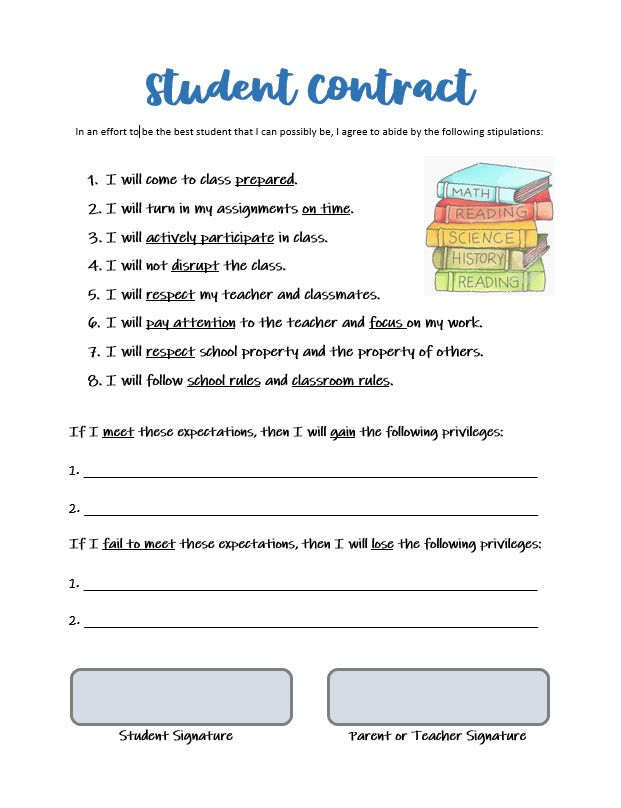
Helping children build positive habits early sets the foundation for lifelong success. One simple, effective tool that parents and teachers love is a student contract—a short agreement created with your child that outlines expectations, responsibilities, and rewards.
Below, you’ll find an explanation of what a student contract is, how it works, and why it’s so useful for elementary-age kids. At the end of this article, you can download a free student contract to use at home or school.
What Is a Student Contract and How Can It Help Your Child Succeed in School?
A student contract is a written agreement between a parent (or teacher) and a child that sets clear expectations about schoolwork, behavior, routines, or responsibilities.
For younger children, a student contract:
Clarifies what’s expected in kid-friendly language
Makes goals feel more concrete and achievable
Encourages accountability in a positive, supportive way
Gives children ownership over their choices and habits
Student contracts are not punishments—they’re tools that help kids practice responsibility with guidance and encouragement.
Guided conversations around the contract teach important skills like following through, planning ahead, and recognizing progress.
What Are the General Benefits of Using a Student Contract?
1. Builds Responsibility and Independence
Younger kids often do well when routines are predictable. A contract helps them understand what they’re responsible for—from finishing homework to remembering their backpack—boosting independence and confidence.
2. Reduces Daily Conflict
When expectations are written down, there’s less room for “I didn’t know!” moments. Instead of repeating instructions or arguing about responsibilities, parents can refer back to the agreement.
3. Creates Positive Motivation
Most contracts include simple rewards or incentives—such as earning screen time, stickers, or a special activity. This helps children feel excited about reaching goals rather than overwhelmed by them.
4. Encourages Goal Setting
Learning how to set and meet goals is a lifelong skill. A student contract introduces this concept in an age-appropriate way and helps kids see their own progress.
5. Builds Communication Skills
Discussing the contract together teaches kids how to express their needs, ask questions, and participate in problem-solving conversations.
How to Use a Student Contract with a Younger Child
Here are some tips to make your contract successful:
Keep It Simple
For early elementary students, one to three expectations is plenty. Use short sentences and clear language.
Create It Together
Let your child help choose goals and rewards. Kids feel more motivated when they feel ownership.
Focus on Positive Behaviors
Phrase expectations in terms of what the child should do (“I will read for 15 minutes each night”), not what they shouldn’t do.
Review It Regularly
Check in every few days to talk about what’s going well and what might need adjusting.
Celebrate Success
Rewards don’t have to be expensive—a family game night, extra playtime, or a fun activity can be just as effective.
What Should a Student Contract Include?
A simple contract for younger kids usually has:
The child’s name
A short list of expectations or goals
How often those goals should be met
Rewards or incentives for following the contract
A place for signatures (parents and child)
Your free downloadable student contract includes all of these sections and is ready to print and use.
Download Your Free Student Contract
Use this ready-made template to help your child build great school habits and feel proud of their progress. Click here.


Comments