
Understanding Manipulation Behaviors in Adolescence
- Chris Theisen
- Dec 3, 2025
- 3 min read
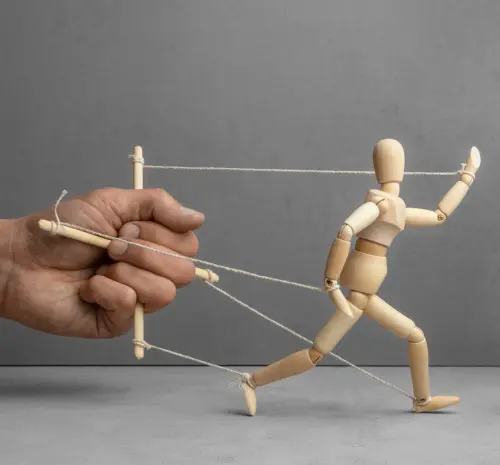
Adolescence is a stage filled with identity-building, emotional intensity, and rapid social learning. As teens begin to navigate independence, relationships, and authority, they may test boundaries — sometimes through behavior that feels manipulative. While manipulation can be frustrating and emotionally exhausting for parents, it is often rooted in unmet needs, insecurity, or a lack of communication skills rather than intentional malice.
Guilt Tripping: Turning Emotion into Leverage
Guilt-based persuasion is common during adolescence. Statements like “If you really loved me…” or “You never do anything for me…” can trigger a parental sense of obligation. Teens may use guilt when they fear rejection or don’t yet know how to advocate directly. Responding calmly and separating the emotion from the demand — “I understand you’re disappointed, but my answer doesn’t change” — models healthy boundaries without escalating emotion.
The Silent Treatment: Withholding to Communicate
Some teens withdraw or stonewall to express anger or regain control. Silence can communicate discomfort, but when used as a tool to pressure others, it breaks communication rather than building it. Instead of chasing or reacting defensively, try acknowledging their feelings while leaving the door open: “I’m ready to talk when you are.”
Exaggeration and Absolutes
Phrases like “Everyone else gets to!” or “You never let me do anything!” are designed to create urgency and sway decisions. Exaggeration signals emotional overload rather than factual accuracy. Redirecting by asking clarifying questions — “Who exactly?” or “When has that happened?” — can reduce intensity and invite a more realistic conversation.
Charm for Gain: When Sweetness Has Strings Attached
Some adolescents use flattery, helpfulness, or affection strategically right before making a request. While kindness is welcome, it becomes problematic when its purpose is solely transactional. Reinforcing genuine appreciation — regardless of outcomes — helps teens connect kindness with relationship, not negotiation.
Playing Adults Against Each Other
Testing limits is developmentally normal, and teens may attempt to get a different answer by approaching the other parent. Unified communication, even over small decisions, prevents resentment and reduces triangulation. Quick check-ins — “Let me see what your dad/mom said” — send the message that collaboration is standard, not suspicious.
The Victim Role: Avoiding Accountability
When teens frame themselves as consistently wronged or misunderstood, it can shift attention away from responsibility. When used regularly, the victim stance prevents problem-solving and growth. Validating feelings while still holding expectations — “I hear that this is hard, and we still need to follow through” — balances empathy with accountability.
Emotional Outbursts and Urgency Demands
Another tactic involves creating urgency through raised voices or emotional intensity. The pressure to respond quickly can override parental boundaries. Slowing conversations helps reset power dynamics. Saying, “I won’t make a decision while we’re both upset,” teaches emotional regulation and models patience.
Noticing the Why Behind the Behavior
Manipulation rarely stems from cruelty — it usually emerges from fear of losing control, insecurity, desire for freedom, or difficulty tolerating limits. Teens are not born with emotional regulation; they learn it by observing and practicing, often imperfectly. When parents respond with consistency and calm — rather than anger or surrender — they teach lifelong communication skills.
Helping Teens Build Healthier Communication Skills
Addressing manipulation doesn’t mean shutting down feelings. It means guiding teens to express needs directly and respectfully. Clear boundaries, predictable responses, and conversations that focus on problem-solving rather than power struggles help transform manipulative behaviors into confident communication — and strengthen trust along the way.


Comments